Dry Needling vs. Acupuncture: What’s the Difference—and Which One Is Right for You?
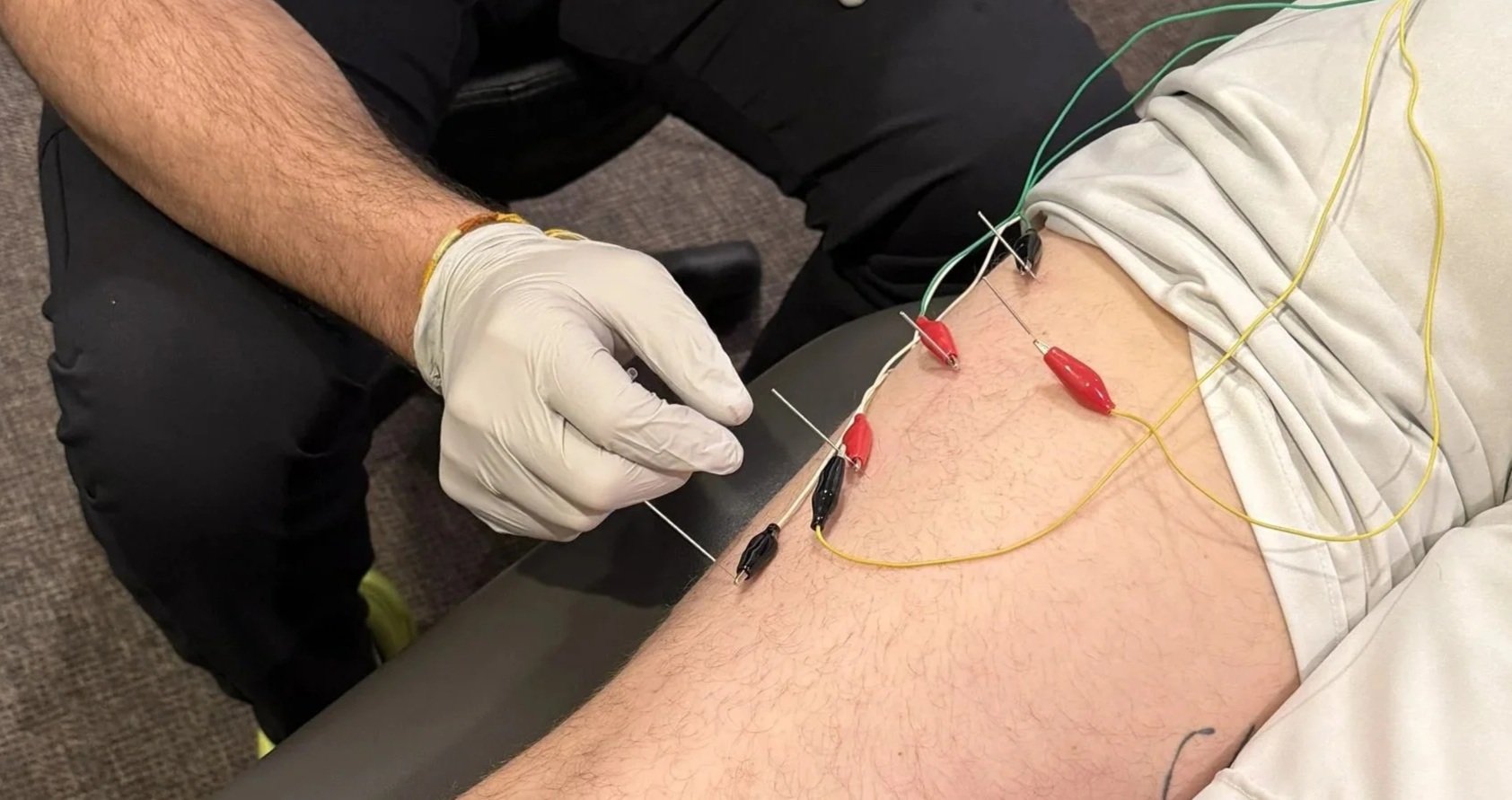
Choosing the Right Needle Therapy for Pain, Recovery, and Performance
At Ascend Sport and Spine, patients often ask whether they should choose dry needling or acupuncture for pain, recovery, or overall wellness. Because our providers are trained in both techniques—including a Licensed Acupuncturist (L.Ac) with a master’s degree—our goal is never to pit one against the other. Instead, we help patients understand how each therapy works and how they can complement each other for optimal results.
Both dry needling and acupuncture use thin, sterile monofilament needles. Both can reduce pain, improve function, and support healing. But their philosophy, application, and goals differ in important ways.
What Is Dry Needling?
Dry needling is a modern, evidence-based orthopedic technique performed by trained chiropractors, physical therapists, and sports practitioners. Needles are inserted into:
Trigger points
Tight or overactive muscles
Tendon and fascia pain generators
Neuromuscular junctions
The goal is to reduce pain, release tension, restore movement, and speed up recovery from musculoskeletal injuries.
What the research shows
Dry needling has been shown to decrease pain, reduce muscle electrical activity, and improve mobility in conditions like shoulder pain, low back pain, tendinopathy, and athletic overuse injuries.¹²
What Is Acupuncture?
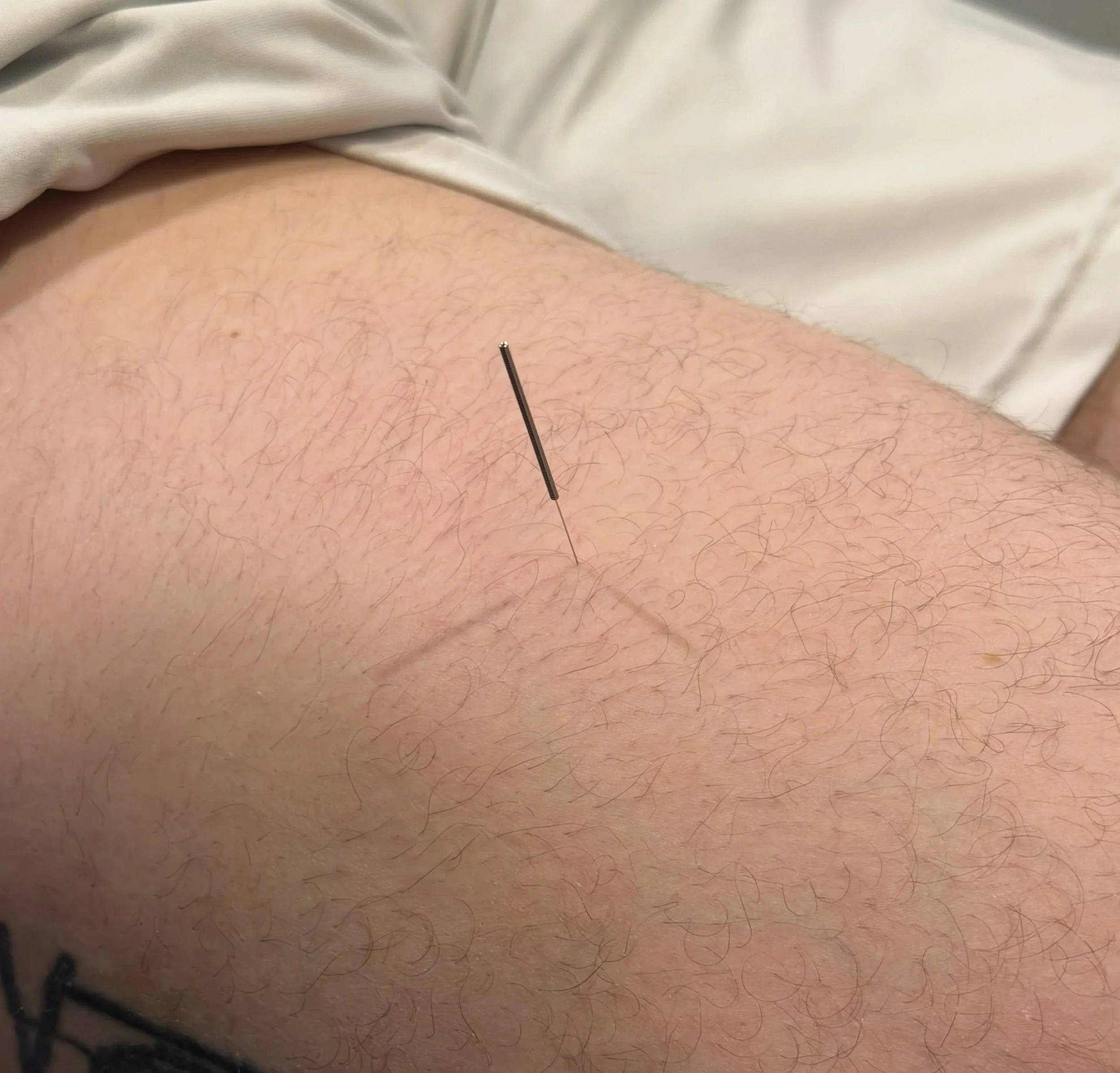
Acupuncture is a cornerstone of Traditional Chinese Medicine (TCM), practiced for thousands of years. It uses precise points along meridians to regulate Qi (energy), balance the body, and support whole-system health. It is performed by licensed acupuncturists with extensive formal training—like the L.Ac on our team at Ascend Sport and Spine.
Modern research shows acupuncture influences:
Nervous system regulation
Blood flow
Hormonal and immune responses
Endorphin release
Autonomic balance (sympathetic/parasympathetic)
What the research shows
Acupuncture is well-supported for pain, headaches, anxiety, digestive issues, and chronic conditions, with strong evidence for low back pain, neck pain, osteoarthritis, and tension-type headaches.³⁴
Key Differences Between Dry Needling and Acupuncture
Primary Purpose
Dry Needling: Focuses on treating specific muscles, trigger points, tendons, and movement-related pain—commonly used for sports injuries and mechanical dysfunction.
Acupuncture: Focuses on restoring balance throughout the entire body, supporting pain relief, stress regulation, and overall wellness.
Provider Training
Dry Needling: Performed by medically trained providers such as chiropractors or physical therapists with specialized post-graduate dry needling education.
Acupuncture: Performed by a Licensed Acupuncturist (L.Ac) who completes extensive graduate-level training in Traditional Chinese Medicine.
Philosophical Framework
Dry Needling: Based on orthopedic, biomechanical, and neurophysiological principles.
Acupuncture: Rooted in Traditional Chinese Medicine, emphasizing meridians, energy flow, and systemic balance.
Treatment Focus
Dry Needling: Targets tight, painful, or dysfunctional tissues directly to improve movement and reduce pain.
Acupuncture: Uses specific acupuncture points to influence the nervous system, circulation, and whole-body function.
Which Treatment Should You Choose?
Here’s the truth: many patients benefit from both.
If your goal is sports performance, muscle tightness, or injury recovery, dry needling often provides fast mechanical relief and improved mobility.
If your goal is stress reduction, systemic health, chronic pain, or restoring balance, acupuncture offers whole-body therapeutic effects.
For many active adults, a combined approach—dry needling for tissue-specific issues and acupuncture for recovery, stress, sleep, and inflammation—delivers the best long-term outcomes.
At Ascend Sport and Spine, your provider will assess your goals and help you choose the right approach—or blend both into a personalized treatment plan.
Find the Right Approach for Your Body
Whether you’re recovering from a strain, managing chronic pain, or seeking full-body wellness, our team in St. Paul offers both dry needling and acupuncture delivered by highly trained professionals, including a Licensed Acupuncturist.
Book an appointment today to explore the option that fits you best.
References
Gattie E, et al. Effectiveness of dry needling for musculoskeletal pain: A systematic review. JOSPT. 2017.
Arias-Buría JL, et al. Trigger point dry needling improves pain and function. Pain Med. 2017.
Vickers AJ, et al. Acupuncture for chronic pain: Individual patient data meta-analysis. Arch Intern Med. 2012.
Linde K, et al. Acupuncture for tension-type headache. Cochrane Database Syst Rev. 2016.